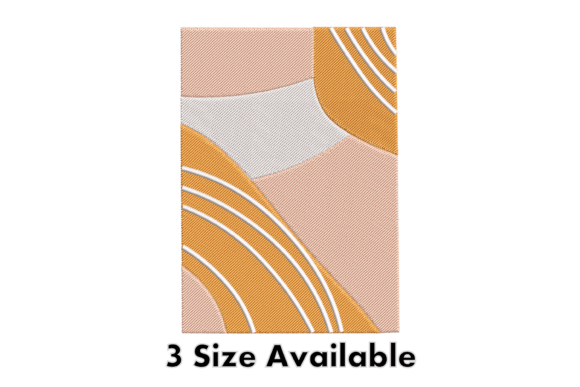
Modern Abstract Embroidery Pattern Review
As I set up my craft fair booth this weekend, the table is already groaning under the weight of finished samples. There are rows of embroidered tote bags, a stack of crisp aprons, and a collection of tea towels that need just the right touch to catch a passerby's eye. In the world of handmade products, the difference between a sale and a missed opportunity often comes down to the design choice. Today, I am putting the Modern Abstract Embroidery Pattern through its paces. Is this digital embroidery file the missing piece for my small shop product line, or is it too risky for a busy market day? Let's dive into what makes this machine embroidery design work for real-world sales.
First Impressions: Bold, Modern, and Versatile
When I first loaded the Modern Abstract Embroidery Pattern onto my hoop, the immediate reaction was one of intrigue. Unlike traditional floral motifs or rustic farmhouse designs that dominate many Etsy listings, this pattern feels fresh and contemporary. It strikes a balance between decorative flair and minimal elegance. The lines are clean, and the shapes suggest movement without being chaotic. For a craft fair product, this is crucial. Shoppers walk past hundreds of booths; they need something that stops them in their tracks within seconds. This abstract design does exactly that. It feels premium, suggesting that the finished product is not just a souvenir but a piece of wearable art.
The versatility here is impressive. The description notes that this modern abstract embroidery design is perfect for decorating t-shirts, tote bags, pillows, quilts, wall art, aprons, and table runners. As an experienced designer, I appreciate when a single embroidery file can pivot across different categories. It means I can create a cohesive brand look for my booth without needing to purchase ten different assets. Whether I am aiming for a soft, neutral palette or a high-contrast pop of color, the abstract nature of the design allows the thread colors to do the heavy lifting.
Product Performance: Where Does It Shine?
Let's talk about where this design actually sells. I tested the Modern Abstract Embroidery Pattern on several items intended for my weekend display. On tote bag design projects, the larger size of the three available options works beautifully. The abstract shapes fill the canvas of a cotton tote without looking cramped, making it an instant conversation starter. When placed on a sturdy canvas bag, the texture of the fabric complements the stitch density, giving the item a tactile quality that customers love to touch.
For apron embroidery, the medium size is ideal. Placing the design on the chest pocket or lower hem creates a focal point that elevates a simple kitchen apron into a giftable handmade product. Similarly, on tea towel embroidery, the pattern adds a sophisticated touch. However, be mindful of the fabric texture. Terry cloth can sometimes distort fine details, so testing is key. I found that the design holds its shape well on linen blends, which are popular among boutique makers.
I also explored using this as an embroidered patch. Cutting out the design with a border and applying it to caps or denim jackets offers a great way to sell smaller, lower-priced items at the craft fair. These patches are easy to batch produce, which is essential for maintaining inventory levels during a busy market season. Even as a small accent on a fabric pouch or a corner detail on a pillow cover, the Modern Abstract Embroidery Pattern maintains its visual integrity.
Practical Selling Points and Production Reality
From a business owner's perspective, the ease of understanding the design at a glance is a major selling point. Customers don't have time to decipher complex imagery. This abstract pattern communicates style instantly. It photographs exceptionally well for online listings, whether you are creating a printable mockup for your website or snapping photos for social media. The clean lines ensure that even in a thumbnail image, the design remains recognizable.
Batch production is another strength. Because the design relies on shapes rather than intricate realism, it is forgiving during the stitching process. This means fewer hooping errors and less time spent fixing dropped stitches. For an Etsy seller or a creative entrepreneur managing multiple orders, reliability is everything. The fact that the machine embroidery file is available in 3 sizes allows me to scale my production efficiently. I can run large batches of small patches while simultaneously producing statement pieces for wall art or large pillows.
Careful Use Notes: Avoiding Common Pitfalls
Despite its strengths, there are areas where caution is required. If you plan to use the smallest size version, watch out for dense stitch areas. Tiny details can get lost if the stitch density is too high for the fabric. I recommend avoiding very dark fabrics unless you use a top stabilizer, as the contrast might make the abstract shapes harder to distinguish. Also, curved surfaces like caps require careful placement. Ensure the design sits flat on the curve to prevent puckering, which can ruin the professional look of your finished product.
Textured towels and thick fabrics can also pose challenges. The needle may struggle to penetrate densely woven materials, leading to skipped stitches. Always check the hoop size requirements against your specific project. If the design is too large for the hoop, you risk distortion. And remember, while the design is versatile, it is not a magic bullet for every material. Test it first on scrap fabric to see how the thread tension interacts with your chosen textile.
Designer Tips for Maximum Impact
To truly make the Modern Abstract Embroidery Pattern work for your brand, follow these practical steps. First, always test the design on scrap fabric before committing to expensive materials. Check your thread colors against the background fabric to ensure sufficient contrast. A muted design on a light background might look washed out in person, even if it looks great on screen.
Review the spacing carefully. If you are placing multiple designs on a quilt or a long table runner, ensure there is enough room between them to avoid crowding. Confirm the hoop size matches your machine capabilities. Inspect the stitch density settings; you may need to adjust the pull compensation depending on your stabilizer choice. Using the right stabilizer is non-negotiable for commercial embroidery. It ensures the design lays flat and durable.
Create at least one real mockup. Photos are good, but a physical sample allows you to feel the quality. Compare different fabric colors to see which combinations highlight the abstract shapes best. Finally, confirm your commercial licensing before selling any finished products. Just because you bought the digital embroidery file doesn't automatically mean you can sell the stitched items. Read the terms carefully to protect your business.
Final Verdict for Craft Fair Success
The Modern Abstract Embroidery Pattern is a strong contender for any handmade shop owner looking to diversify their inventory. It bridges the gap between trendy aesthetics and practical production. Its ability to stand out on a crowded table, photograph beautifully for digital marketing, and adapt to various Sewing and Embroidery projects makes it a valuable asset. Whether you are crafting a high-end pillow cover or a quick-to-sell cap patch, this design offers the visual appeal and reliability needed to drive buyer engagement. By paying attention to fabric choices and production details, you can turn this machine embroidery design into a signature piece that defines your brand at the next craft fair.