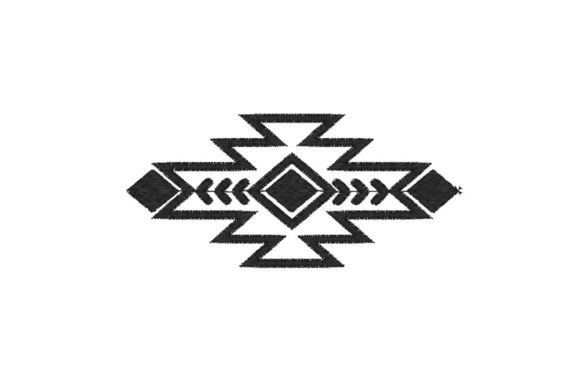
Native Embroidery Design – A Bold Choice for Business Branding
First Impressions: Striking, Professional, and Visually Engaging
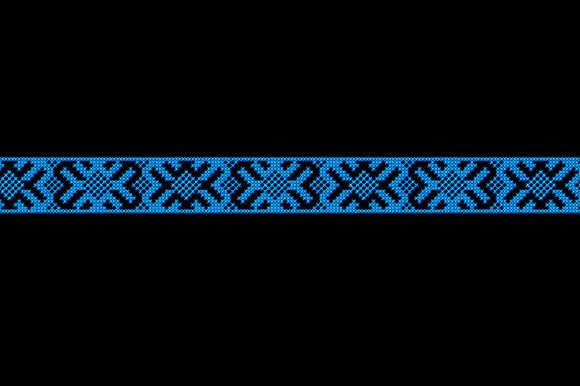
As an embroidery designer evaluating the Native Embroidery Design. Digital File., the first thing that stands out is its bold and intricate aesthetic. The description of a Feathered Aztec Geometric Motif immediately suggests a design rooted in cultural artistry and modern machine embroidery precision. This isn't a minimalist or subtle pattern—it's visually complex and high-contrast, making it ideal for businesses looking to convey strength, tradition, and craftsmanship in their branding.
From a design standpoint, this embroidery file feels professional and premium. The emphasis on black thread gives it a strong visual presence that could easily translate into a memorable logo or branded accent. It leans more toward boldness than playfulness, and more toward rustic elegance than casual charm.
Real Business Use: Versatile for Merch, Uniforms, and Branding
When considering how the Native Embroidery Design. Digital File. translates into real-world business applications, it holds a lot of promise. Let’s break down a few practical uses:
- Embroidered patches – The geometric and feathered elements are detailed enough to stand out on a patch, especially when used on jackets, bags, or as part of a collection.
- Staff uniforms – As a chest or sleeve accent, this design can elevate standard workwear into a cohesive brand statement.
- Aprons and caps – The design’s bold nature makes it well-suited for high-visibility areas like apron fronts or cap fronts, where clarity and impact are key.
- Tote bags and boutique merchandise – For small businesses selling branded goods, this design adds a handmade yet professional flair that Etsy sellers and craft brands will appreciate.
- Product packaging accents – Smaller versions of the design could be stitched onto packaging tags or labels for a premium touch.
For a local café, florist, or handmade studio, this design can be a signature element that ties together everything from staff uniforms to customer gifts and event merch.
Where to Use with Care: Detail and Fabric Matter
While the Native Embroidery Design. Digital File. is visually striking, it's important to consider where and how it should be applied carefully:
- Small patch sizes – The intricate details may get lost if scaled too small, especially in high-density stitching.
- Cap fronts and curved surfaces – The feathered elements might distort slightly unless the hoop size and stabilizer are properly adjusted.
- Textured or dark fabrics – The black thread might not pop as much on certain materials, so thread color contrast and fabric texture should be tested.
- Frequent washing – High stitch density can affect durability over time, so proper stabilizer and thread quality are essential.
It's crucial to test the design on actual fabric before committing to bulk production, especially if it’s going to be used on items like uniforms or work shirts that will endure regular wear and washing.
Impact on Brand Identity and Customer Perception
The right embroidery design can elevate a small business’s brand identity significantly. The Native Embroidery Design. Digital File. has the potential to become a powerful visual anchor for a brand’s handmade presentation and professionalism. Here's how:
- Brand recognition – Its distinct pattern makes it instantly recognizable, helping reinforce brand presence across merchandise and uniforms.
- Customer trust – A premium, well-executed embroidery design signals attention to detail and quality, which builds trust with buyers.
- Visual consistency – When used across multiple product types—from tote bags to embroidered patches—it creates a unified brand look.
- Handmade appeal – Despite being a machine embroidery file, the design retains a handcrafted feel that resonates with Etsy sellers and local artisans.
- Buyer engagement – Unique, bold designs like this one can spark curiosity and conversation, especially when used on customer-facing items like event merch or gifts.
Designer Notes: Practical Tips for Production and Client Approval
Before using the Native Embroidery Design. Digital File. for commercial embroidery or small business merch, here are some practical steps every embroidery designer should take:
- Test in black and white first – Confirm that the contrast and clarity work before adding color variations.
- Check small patch scaling – Make sure the fine details hold up when resized for patches or labels.
- Review thread color contrast – Especially if deviating from black, ensure the design maintains its visual impact on different fabric colors.
- Inspect spacing and density – High stitch density can affect fabric durability and flexibility, so check for puckering or distortion.
- Confirm hoop size – Ensure the embroidery machine and hoop can accommodate the design without distortion.
- Test on real fabric – Always stitch a sample on the actual fabric type the client will use.
- Use proper stabilizer – This is crucial for textured or stretchy materials to maintain stitch integrity.
- Create a printable mockup – Show clients how the design looks on the final product before production.
- Compare with other design assets – Make sure it aligns visually with the client’s existing branding elements.
- Confirm commercial licensing – Ensure the digital embroidery file is cleared for business use, especially if it will be used on products for resale.
These steps will help ensure a smooth production process and a finished product that meets both aesthetic and functional expectations.
Final Thoughts: A Strong Design for Brand-Forward Businesses
The Native Embroidery Design. Digital File. is more than just a decorative motif—it's a versatile and powerful branding tool. Whether used as a chest logo on uniforms, a patch on a tote, or a signature accent on handmade products, it brings a sense of boldness and craftsmanship that aligns well with small businesses looking to stand out.
For embroidery shops, apparel decorators, and digital embroidery file buyers, this design represents a strong addition to a commercial embroidery library. Just remember to test thoroughly, consider fabric and placement carefully, and always align it with the client’s brand identity goals.