Texas Bluebonnet Embroidery Designs Review
As a seasoned embroidery designer who has spent countless weekends setting up booths at craft fairs and navigating the competitive landscape of handmade markets, I know that not every digital file translates into a best-selling physical product. The difference between a design that sits on a shelf and one that flies off the table often comes down to visual impact, stitch quality, and practical application. Today, I am reviewing Texas Bluebonnet Embroidery Designs, a machine embroidery design featuring the iconic bluebonnet flower and an establishment year. This review is written for my fellow Etsy sellers, boutique makers, and creative entrepreneurs looking to turn this specific digital asset into profitable inventory.
First Impressions: Elegance Meets State Pride
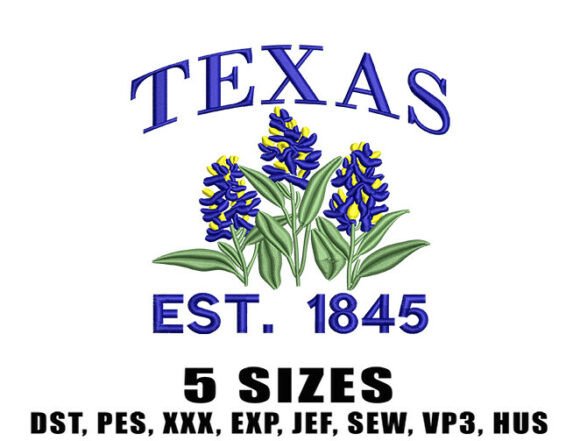
When I first loaded the preview for Texas Bluebonnet Embroidery Designs, the aesthetic immediately clicked. It strikes a perfect balance between rustic charm and elegant refinement. The description promises an "elegant Texas embroidery design," and based on the visual composition, it delivers exactly that. It avoids the trap of being too cartoonish or overly busy, which is common with floral motifs. Instead, the bluebonnet petals are rendered with enough detail to look premium but simplified enough to remain legible from a distance.
The inclusion of an establishment year is a strategic masterstroke for a craft fair product. It transforms a simple floral pattern into a personalized keepsake. In the North America market, specifically in regions where state pride runs high, this element invites immediate engagement. Customers do not just see a flower; they see their heritage, their home, or a memory of a trip. For a handmade product, this emotional connection is the primary driver of sales. The design feels versatile enough to fit a farmhouse kitchen decor theme while maintaining a sophisticated edge suitable for upscale boutiques.
Product Applications: Where Does It Shine?
The true test of any embroidery file is its versatility across different substrates. Based on the structure of Texas Bluebonnet Embroidery Designs, here is how I plan to deploy it across my booth display to maximize visibility and sales.
Tote Bags and Market Bags
This design is a natural fit for canvas tote bags. The sturdy fabric texture provides an excellent foundation for the floral elements. I envision placing the bluebonnet cluster near the bottom corner or centered on the back panel. The contrast of vibrant blue thread against natural beige or white canvas will make the design pop instantly as customers walk by. As a tote bag design, it serves as both a functional item and a walking billboard for your brand.
Kitchen Textiles: Aprons and Tea Towels
For the home cook demographic, apron embroidery and tea towel embroidery are perennial favorites. The Texas Bluebonnet Embroidery Designs works beautifully on linen or cotton blends. On an apron, the establishment year can be placed discreetly near the waist tie, adding a custom touch without overwhelming the garment. On tea towels, the floral motif acts as a decorative focal point. However, one must be careful with the fabric texture here; thick terry cloth might require adjustments to the stabilizer to prevent puckering around the dense stitch areas.
Caps, Patches, and Small Accessories
Smaller items like embroidered patches and caps offer a lower price point entry for budget-conscious buyers. The curved cap surface requires careful consideration. While the flowers adapt well, the text component needs scrutiny. If the establishment year font is too small, it may become illegible on a curved brim or a tiny patch. For these applications, I would recommend testing the design at a reduced scale to ensure the lettering remains crisp. Fabric pouches and pillow covers also benefit from this design, offering a soft, giftable option that feels substantial due to the detailed stitching.
Practical Production Notes for Batch Runs
When moving from a single sample to batch production for a weekend market, efficiency is key. Texas Bluebonnet Embroidery Designs appears to be structured for commercial embroidery success, but there are critical steps to take before running hundreds of stitches.
- Stitch Density and Stabilizer: Floral designs often have dense petal areas. Always test the design on scrap fabric first. You need to confirm that the stitch density allows the fabric to breathe without sinking into the background. Use a cutaway stabilizer for stretchy fabrics like jersey or a tear-away for stable cottons. Poor stabilization can ruin the finished product, making it look amateurish.
- Thread Colors and Contrast: The description mentions multiple embroidery f colors. Ensure you select threads that contrast sharply with your base fabric. A light blue thread on a grey background will disappear in a crowded booth. High contrast draws the eye and increases perceived value.
- Hoop Size Verification: Before committing to a large run, double-check the hoop size requirements. If the design is large, it limits the types of garments you can use. If it is small, verify that the details hold up. Confirm the dimensions match your machine capabilities to avoid mid-run errors.
- Small Lettering Caution: The establishment year is a selling point, but small text is the enemy of clarity on textured surfaces. If the font is intricate, it may get lost on a coarse towel or a puffy cap. Consider simplifying the font or increasing the size slightly if you encounter issues during your test run.
Visual Appeal and Customer Engagement
In a crowded craft fair environment, your display must stop people in their tracks. Texas Bluebonnet Embroidery Designs excels in creating visual appeal through color and sentiment. The blue and white palette is universally appealing and photographs exceptionally well for online listings. When creating printable mockups for your Etsy shop or social media, this design offers a clean, professional look that suggests high-quality craftsmanship.
The design enhances the perceived value of a handmade product. A plain tote bag sells for five dollars; a tote bag with a meticulously stitched, elegant floral design and a custom date can command fifteen or twenty dollars. This increase in margin is vital for small shop products and digital sellers. Furthermore, the design fosters brand consistency. By using this motif across various items—pillows, bags, and apparel—you create a cohesive collection that encourages customers to buy more than one item.
Final Checklist for Sellers
Before you finalize your inventory list, run through this quick checklist to ensure Texas Bluebonnet Embroidery Designs performs flawlessly:
- Test Run: Embroider a sample on the exact fabric you intend to sell. Inspect the underside for loose threads and the top for skipped stitches.
- Licensing Check: Verify the commercial licensing terms. Ensure you are permitted to sell the finished products at craft fairs and on platforms like Etsy. Do not assume the digital file includes commercial rights unless explicitly stated.
- Mockup Creation: Create at least one real mockup to photograph. Real photos of the finished product build trust far better than digital renderings alone.
- Fabric Comparison: Compare how the design looks on dark versus light fabrics. You may need to adjust underlay stitches for darker materials to ensure the bluebonnets stand out.
In conclusion, Texas Bluebonnet Embroidery Designs is a robust asset for any embroidery business owner targeting the North American market. It combines the timeless appeal of nature with the personal touch of customization. With proper attention to stabilizer choice, thread contrast, and fabric selection, this design has the potential to become a cornerstone of your next successful craft fair booth. It is elegant, practical, and undeniably marketable.